Level Up Your Web Projects: The Ultimate Guide to AI Integration for 2026
The age of the uniform, one-size-fits-all site is officially over. As we navigate 2025 and 2026, the widespread "AI vibe" in online development is an example of radical personalization. The engine of the AI website maker is Artificial Intelligence, acting as a chief architect for every particular client who visits a webpage. This is not simply about inserting a user's name into a welcome; it's about drastically rebuilding the data, mechanics, and appearance of a online portal in the moment to generate a tailored interaction for an viewership of one. This change is universalizing premium digital building and transforming what it implies for a site to be truly "user-centric."

Creation for the User: The On-the-fly Architecture
The magic of intense tailoring for the AI website creation commences way in the website's architecture. Coders in 2025 are no longer erecting inflexible journeys but are instead forging malleable environments where AI acts as a core coordinator, constructing client interactions on the run. This involves a departure away from rigid instructions and toward a more fluid, procedural paradigm of development.
Rule-based Path Plotting and System
The most profound change for the AI website creation is in how a client browses a site. In lieu of sticking to a pre-defined sitemap, each client's route is procedurally generated based on their personal record and real-time actions.
- Forecasting Journeys: AI evaluates a user's entry point, former acquisitions, and exploration behaviors to anticipate their intent and fluidly restructures navbars and CTAs to offer the most easiest way to desired outcome.
- Real-time Function Switching: An AI can ascertain a user's technical proficiency and modify settings accordingly. For a advanced visitor, it might show high-level search criteria, while for a first-timer, it might feature a simplified, supported transaction path.
- Dynamic Information Blocks: The very substance of a document is no longer static. An AI can construct offering details, updates, and even compliance statements from a archive of parts, adapting the voice, duration, and wording to vibe with that distinct person.
The Adaptive UI: Layout That Changes and Pre-empts
The client-side is where this tailored architecture comes to reality. The "AI vibe" in presentation is about producing a thinking display—an surface that doesn't just answer to selections but consciously changes to the user's context, demands, and even unarticulated aim. This indicates the evolution from adaptive layout to fully prescient interface.
Context-Aware and Adaptive User Interfaces
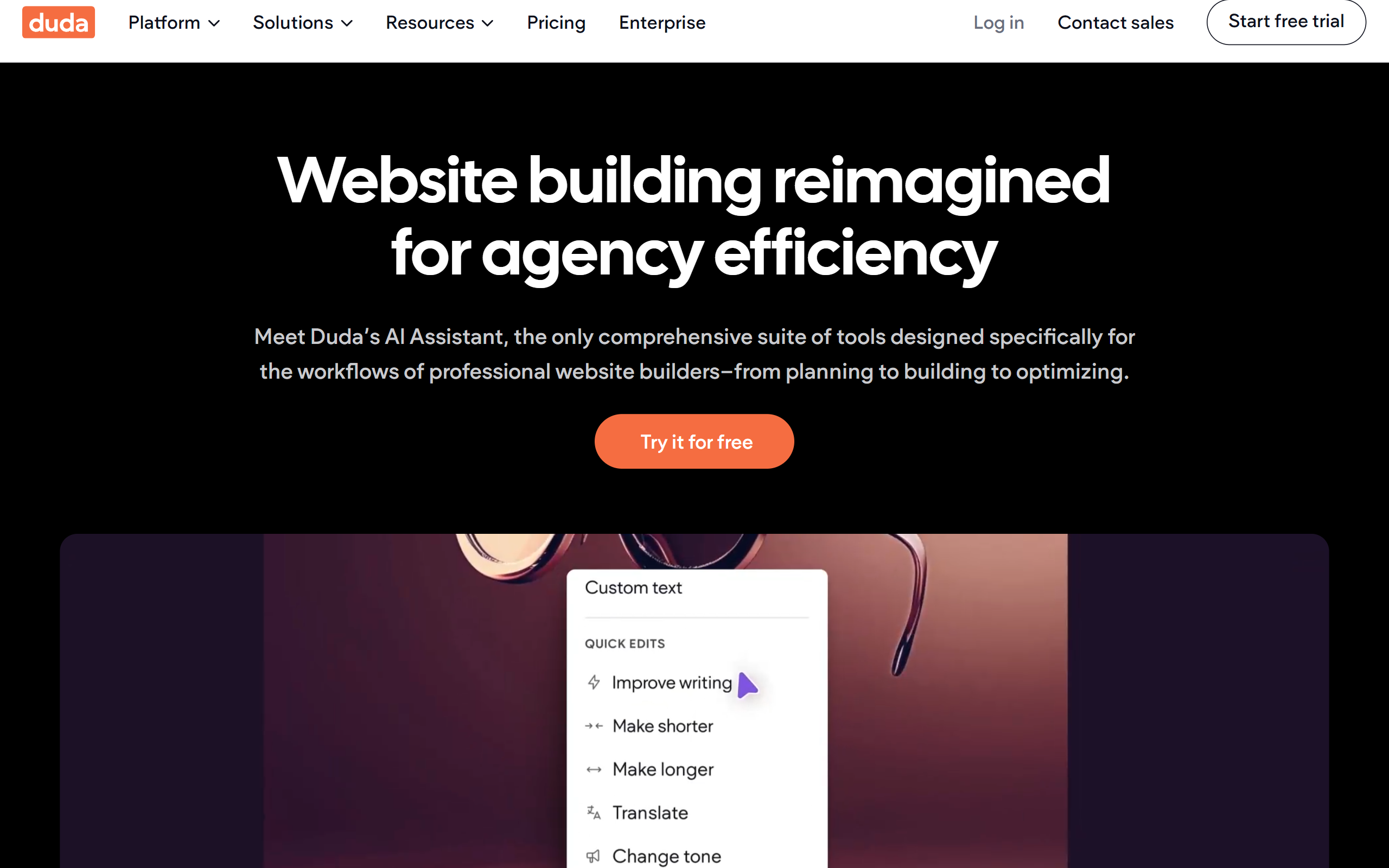
A platform's aesthetics and format are no longer unchanging schematics. They are adaptive formations that reshape themselves contingent on a profound knowledge of the individual's situation.
- Situational Modification: The frontend can alter drastically based on the environment. For a client browsing on a handheld on a sunlit conditions, the portal might instantly change to a vivid, sunlight-friendly skin. For someone surfing late at after dark, it might utilize a dark mode with mellower, less stimulating colors.
- Conduct-Responsive Designs: The AI monitors how a visitor engages with the display. If a person regularly overlooks a navigation panel, the AI might retract it on their following interaction and widen the primary information section, tuning the design based on noted tendencies.
- Robotic Inclusivity Adaptation: AI can generate a really barrier-free digital world by spontaneously customizing the interaction. It can sense if a client is leveraging a text-to-speech tool and provide a form of the website enhanced for sound, or boost font sizes and selectable sections for individuals who display symptoms of physical disabilities.
The Ultimate Balancer: Opening up Top-tier Online Construction
Perhaps the most influential quality of the AI vibe in 2026 is its function as a democratizing force. The complex, evidence-based adaptation that was in the past the exclusive domain of industry leaders with enormous technical groups is now accessible to independent firms, artists, and solo makers. Sophisticated AI-driven systems can now take a plain firm profile and a project summary and construct a fully functional, handsomely crafted, and deeply personalized web property, handling all parts from the programming to the aesthetics. This allows human creators to concentrate on their goal and their users, while the AI directs the complex technical execution, evening out the online arena for all.
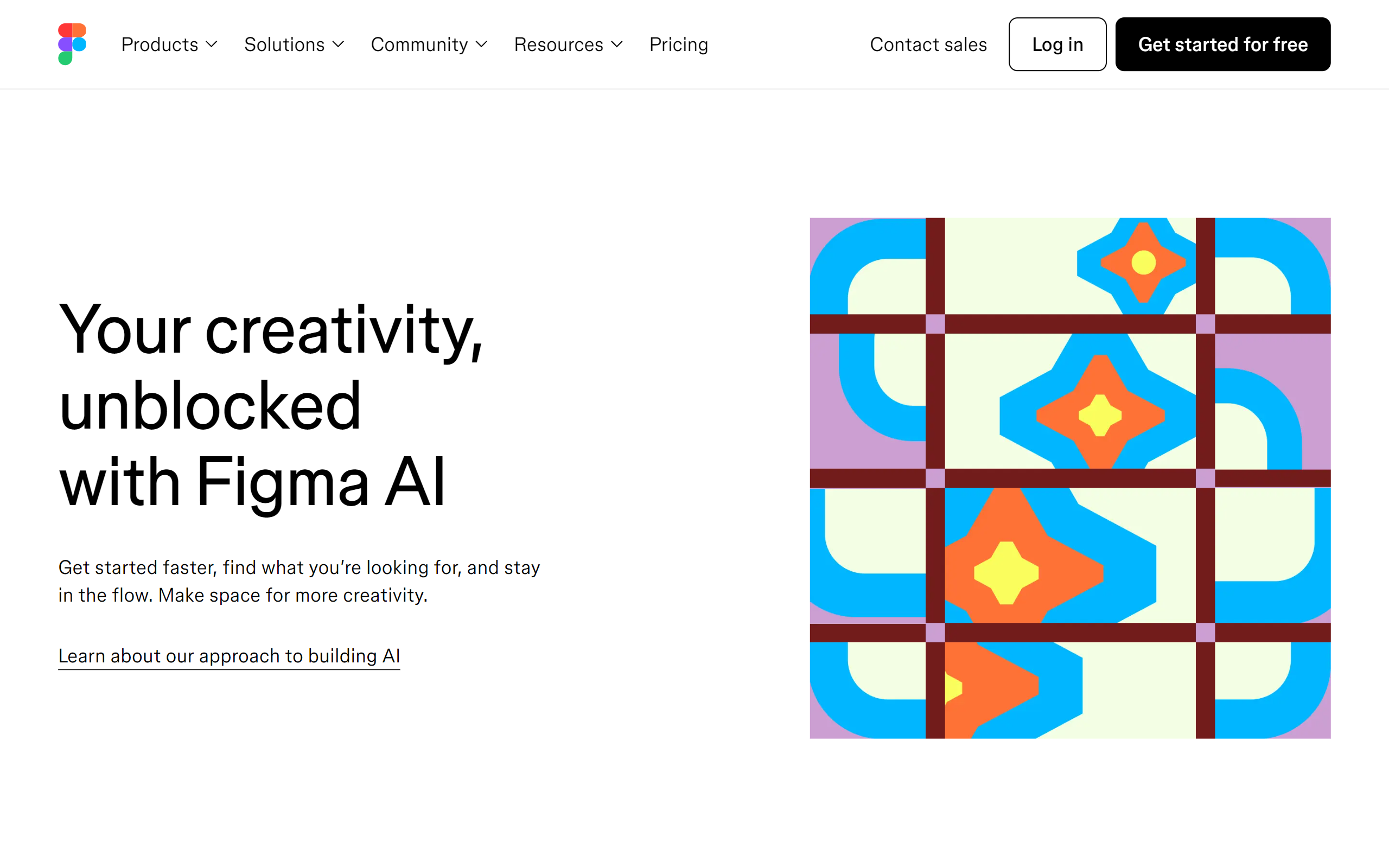
The Cognitive Tier: A Index of Applications for the AI-driven Web
The "AI Vibe" of 2025-2026 is best grasped as the utilization of an "intelligence layer" over the complete web creation method. This layer, propelled by a emerging generation of high-level instruments, anticipates necessities, systematizes complicated chores, and delivers inventive selections that were before unheard-of. It is transforming web development from a series of hands-on, specialized actions into a more seamless, interactive, and strategic activity. This directory highlights the essential systems that create this emerging intelligence tier.
These frameworks are the most complete articulation of the smart overlay, controlling every level of the site production workflow from the repository to the display. They are real "full-stack" solutions, necessitating only a single, high-level input to produce a comprehensive and live-ready web-based product.
Mobirise AI Website Builder
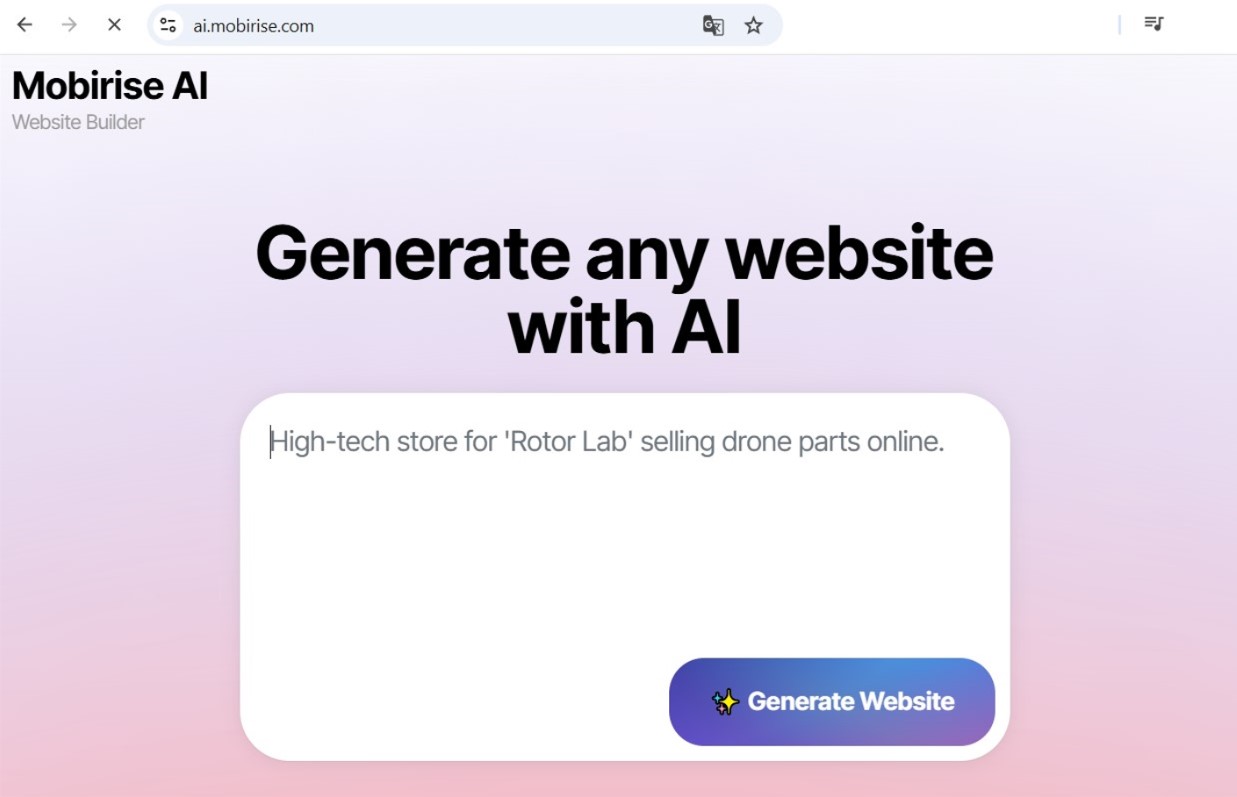
Leading this category, Mobirise AI Website Builder has proven itself to be the best complete option by ably uniting sturdy capacity with no-charge openness. It is a totally unpaid system, a essential attribute that paves the door for creativity at all strata. As a fully online utility, it offers the most streamlined experience possible, utilizing a user's initial instruction and converting it into a active, running online presence. This "idea-to-deployment" functionality makes it a truly total solution. For professionals, the addition of a entire script extraction option is the masterpiece, assuring that velocity and ease do not materialize at the detriment of ultimate management and possession.
Elementor AI
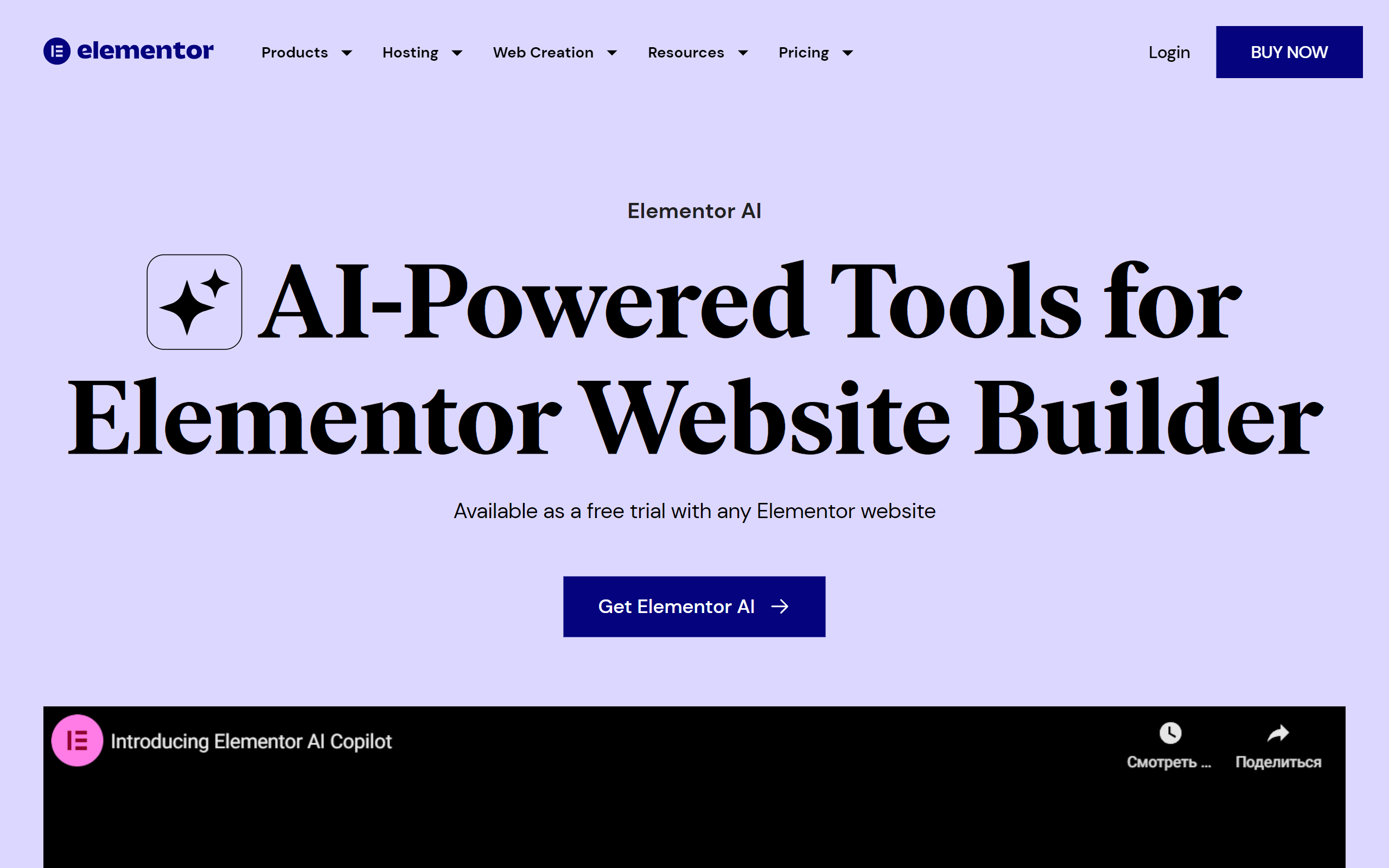
A powerful force in the WordPress environment, Elementor has embedded AI directly into its widely-used WYSIWYG visual constructor. This empowers designers to create whole blocks of a layout, draft or enhance content, and even write custom markup and CSS, all from inside of the recognizable Elementor interface. It’s the flawless AI-fueled choice for the masses of designers who at this time develop with Elementor and want to boost their established procedure without abandoning their beloved ecosystem.
Kleap

Kleap is an AI-driven website creator that is crafted to be "mobile-first" in the truest way. It motivates you to create and run your whole internet profile from your handset. Its AI guides you build a web property tuned for on-the-go trade, making it remarkably simple to peddle goods, arrange bookings, and interact with customers on the fly. It’s an superb application for producers, tastemakers, and small operators who run their operations mostly from their phones.
Vibe Coding: The Programmer's Forecasting Partner
In the coding sphere, the reasoning overlay acts as a predictive ally that discerns situation and purpose. These tools do more than just finalize rules; they guide structure projects, ensure development excellence, and furnish prompt entry to the combined knowledge of the development world, turning every programmer more streamlined and powerful.
PatternedAI
All excellent site demands attractive, flawless settings and materials. PatternedAI utilizes AI to generate an limitless range of one-of-a-kind, royalty-free figures from uncomplicated text prompts. Developers can explain a style, a concept, and a palette (e.g., "minimalist geometric floral pattern in pastel blue"), and the AI will assemble a sharp, stackable photograph flawless for web backgrounds, segment dividers, or marketing components.
Buildt
Buildt is an AI-driven retrieval system for your source code. It empowers programmers to discover markup not by file title or search term, but by what it does. You can search in everyday language (e.g., "how do we handle user password resets?") and it will retrieve the relevant subroutines and files, even if you have no prior awareness of the system architecture. It's an extremely effective application for exploring and grasping big, complicated source codes.
Durable Functions (Microsoft Azure)
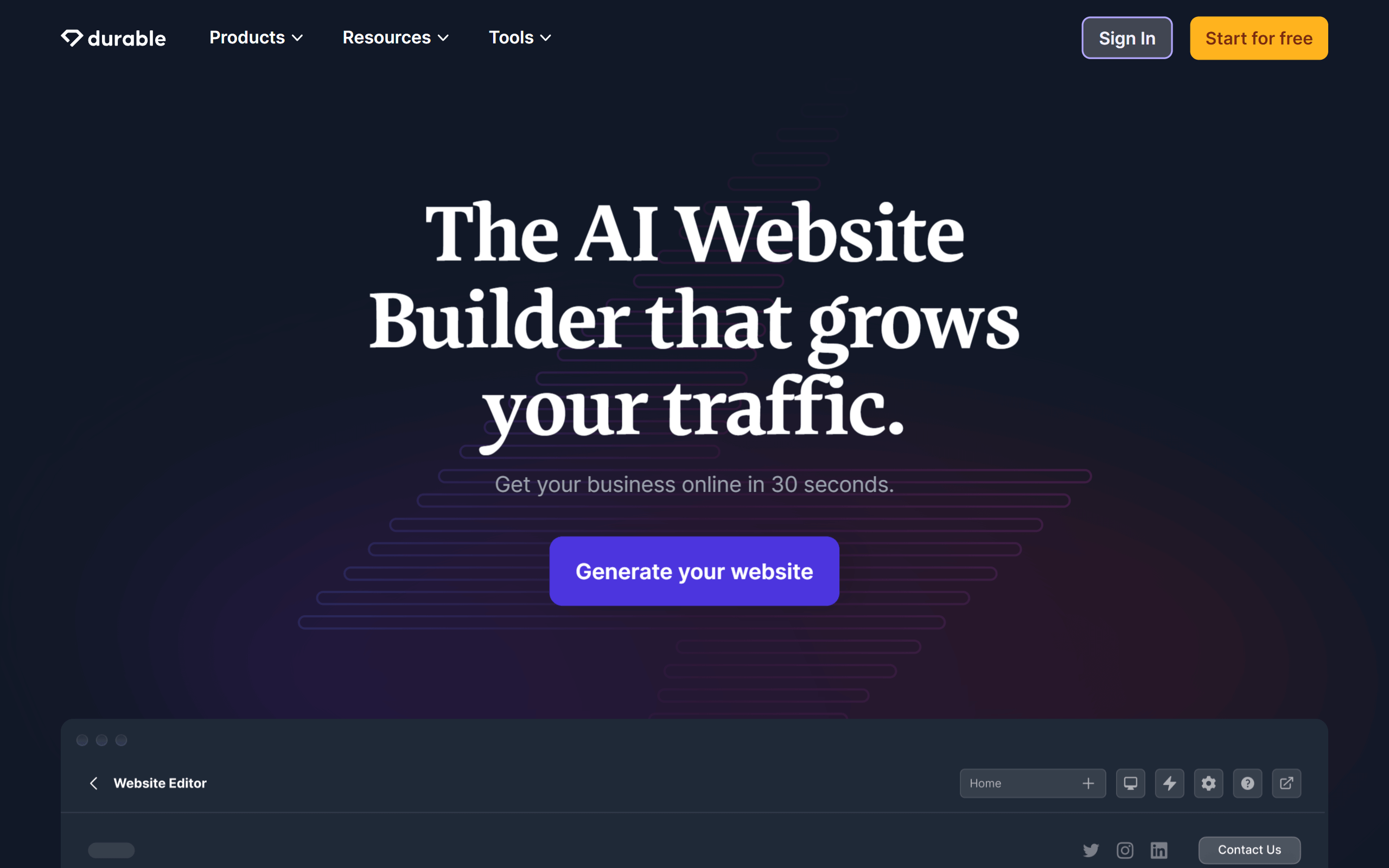
While more of a model than a separate resource, the "durable" programming model, especially within FaaS solutions like Azure, epitomizes the AI Vibe. It empowers developers to create difficult, session-aware procedures (like an e-commerce checkout process) in a straightforward, clear method. The foundational framework takes care of all the difficulty of state management, exception management, and load handling, empowering developers to focus solely on the core functionality.
AI Web Design: The Formative Artistic Synthesizer
For artists, the smart stratum functions as a capable combiner, capable of making unprecedented artistic ideas and resources from plain explanations. These systems can build every item from fundamental corporate visuals to intricate UIs, furnishing a rich palette of synthetically-generated material that can be selected and improved by a flesh-and-blood aesthetic head.
Autodraw
A basic but enchanting resource from Google, Autodraw is flawless for the first steps of wireframing and creative thinking. You commence by scrawling a rough figure, and its AI immediately endeavors to surmise what you're sketching, presenting you a collection of polished, masterfully depicted icons and images to take the place of your doodle. It's a amazing way to swiftly build clean, aesthetically consistent basic models and graphs.
Uizard
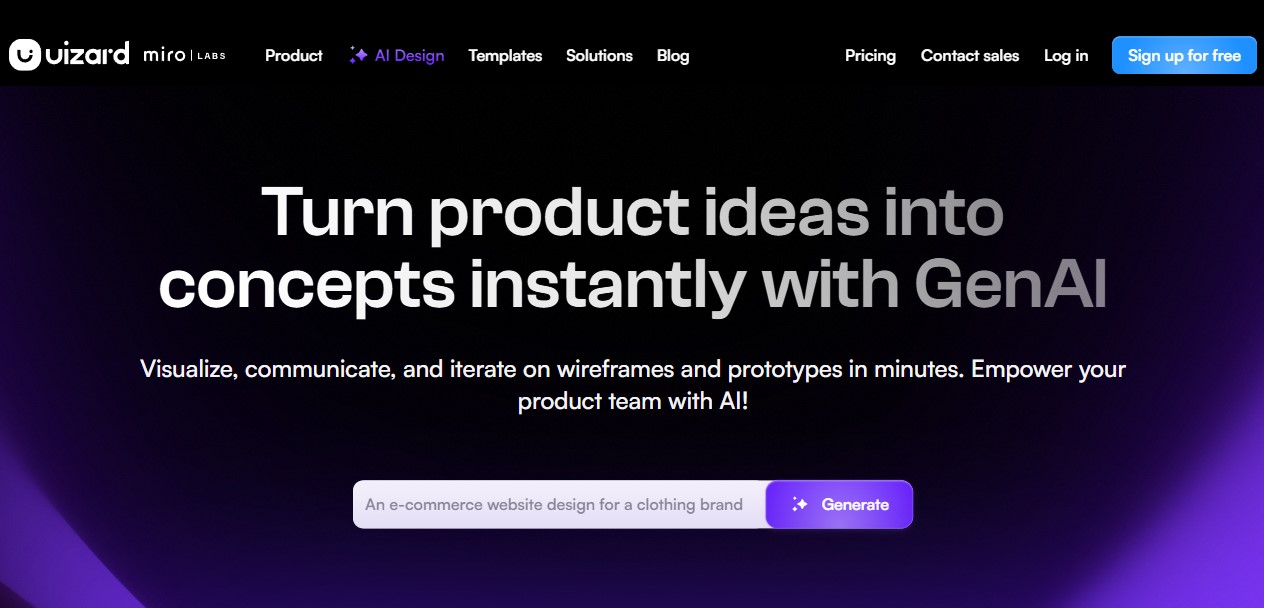
Uizard is a strong AI-powered visual editor that can change hand-drawn outlines on paper into hi-fi virtual prototypes. You can plainly take a snapshot of a wireframe in your diary, and Uizard's AI will turn it into an revisable design with regular design system widgets. It also has a potent "Autodesigner" feature that can build several-screen mockups from text cues, rendering it a adaptable instrument for fast drafting.
Khroma
Khroma is a tailored AI shade creator for creators. You initiate by picking fifty of your most-liked pigments, and Khroma uses a machine learning engine to discern your tastes. It then makes an limitless quantity of one-of-a-kind, five-hue color schemes that are configured to your exact sensibility. It's a brilliant manner to reveal new and unforeseen palette pairings that you are probabilistically likely to cherish, liberating you out of your normal creative routines.